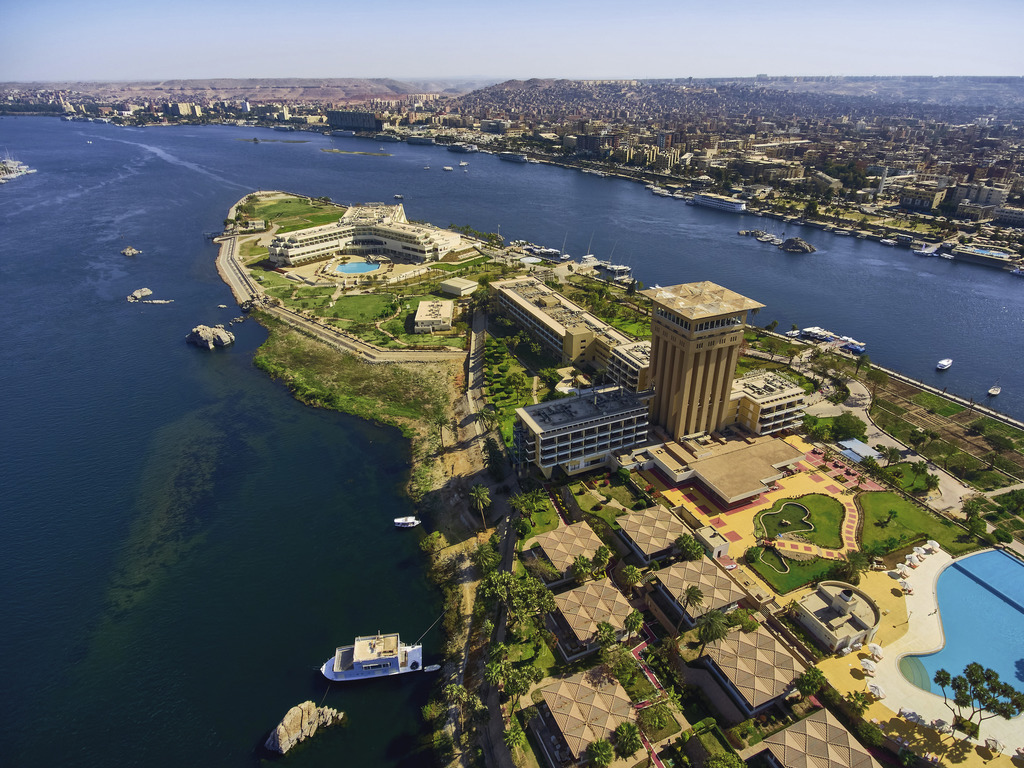
Nestled on the east bank of the Nile, just north of the famous Aswan High Dam, Aswan is a vibrant market town, cultural hub, and gateway to Nubia. Known since ancient times as Swenett or Syene, this city has always marked the southern frontier of Egypt, where history, trade, and heritage meet against the backdrop of the Nile’s First Cataract.
A UNESCO World Heritage
Treasure
Aswan is home to five sites that form part of the UNESCO World Heritage “Nubian Monuments from Abu Simbel to Philae.” These include:
The Old and Middle Kingdom tombs at Qubbet el-Hawa.
The ancient town of Elephantine Island.
The stone quarries with the famous Unfinished Obelisk.
The Monastery of St. Simeon.
The Fatimid Cemetery.
living cultural
capital
Aswan is celebrated not only for its monuments but also for its vibrant Nubian culture. In recognition of its heritage, the city has been named part of the UNESCO Creative Cities Network for craft and folk art and has also joined the UNESCO Global Network of Learning Cities. Visitors today can experience Nubian traditions in local villages, colorful markets, and cultural centers.
ancient legacy of trade &
stone
In pharaonic times, Aswan was famed for its stone quarries, which provided the granite used to carve colossal statues, obelisks, and shrines throughout Egypt, from the pyramids to Karnak. The city also thrived as a military garrison and a bustling trade station, collecting tolls from boats traveling along the Nile. Its strategic location made it a vital frontier town, where Egypt symbolically “opened” to the life-giving waters of the south.
Archaeology & Recent
Discoveries
Aswan continues to reveal new chapters of history. Recent archaeological discoveries include Roman statues at Kom Ombo, Greco-Roman tombs filled with mummies, Old Kingdom tombs at Qubbet el-Hawa, and even submerged pharaonic carvings uncovered between the two dams. Each find enriches the story of Aswan as a crossroads of civilizations.
Geography &
climate
Positioned just below the Tropic of Cancer, Aswan fascinated ancient geographers such as Eratosthenes, who calculated Earth’s circumference here over 2,000 years ago. Today, Aswan is known as one of the sunniest and driest cities on Earth, with nearly 4,000 hours of sunshine annually. Winters are pleasantly mild, while summers are extremely hot and dry — ideal for those who love clear blue skies year-round.
cairo by
the nile
The Nile River is the lifeblood of Cairo. At night, the riverbanks come alive with glittering lights and dinner cruises where travelers can enjoy Egyptian cuisine, live music, and traditional dance. Strolling along the Nile Corniche is an experience in itself, offering a glimpse of both modern Cairo and timeless river life.
modern
aswan
Today, Aswan blends ancient history with modern life. Its bustling markets, Nile-side corniche, and lively souks offer a taste of local culture, while modern infrastructure connects it to the rest of Egypt through Aswan International Airport, the Cape to Cairo road, river ports, and railway links.
why visit
aswan
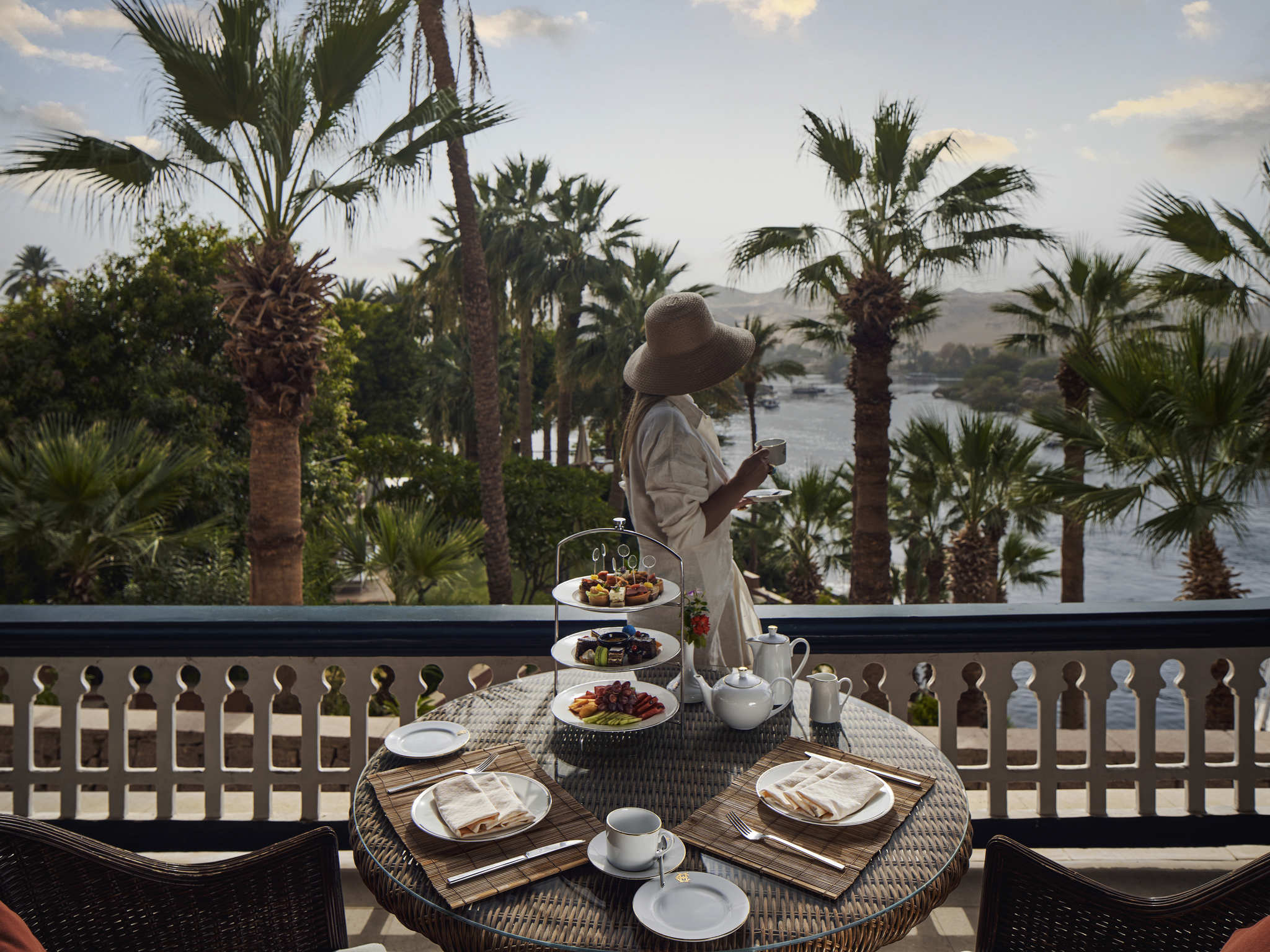
From the serenity of sailing the Nile to exploring world-renowned temples and enjoying authentic Nubian hospitality, Aswan offers travellers a unique combination of heritage, culture, and natural beauty. It is not just a stop on a Nile journey; it is an essential chapter in the timeless story of Egypt.